


The Problem of Too Much
At some point in the past decade, the question people used to ask — “Is there anything good to watch?” — quietly flipped into its opposite. There is always something to watch. The problem now is knowing which something is worth the time. For film in particular, the volume of releases in any given year, across theatrical runs, streaming premieres, and the long tail of catalog titles finally made accessible, has outpaced most people’s capacity to navigate it with any confidence.
This is genuinely new. For most of cinema’s history, scarcity was the operating condition. Films played in theaters for defined runs, disappeared, and returned only through revival screenings or television broadcasts scheduled by someone else. The canon formed partly because only so many films were ever in circulation at once. Now the full sweep of film history sits behind a few subscription tiers, alongside this year’s releases and last decade’s prestige dramas and a documentary someone’s algorithm decided you needed to see. The result is not abundance in the simple sense of having more good things to choose from. It’s abundance in the more disorienting sense of having no reliable way to orient yourself within it.
The Case for Trusting a Critic
Film criticism has taken some cultural knocks over the years — dismissed as elitist, declared obsolete by the democratizing power of user reviews, reduced in institutional prestige as publications cut their arts budgets. But the case for reading a good critic, and for understanding what criticism actually does, has never been stronger than amid overwhelming choice.
A critic isn’t primarily a thumbs-up machine. The useful function of criticism is the sustained attention to why something works or doesn’t — the work of sitting with a film and thinking carefully about its formal choices, its intentions, its relationship to the tradition it comes from. A well-argued negative review can be more illuminating than a breathless rave, because it has to articulate what was attempted and where it fell short. A good review tells you not just whether a critic liked something but enough about the film’s actual character for you to calibrate whether you would.
That calibration is the real service. You don’t need to agree with a critic on everything — in fact, if you understand where your tastes diverge from theirs, a critic you partly disagree with is often more useful than one who shares every preference. The goal is to develop a reading of a few trusted voices that lets you triangulate toward your own judgment.
Theatrical vs. Streaming: What the Venue Actually Changes
One of the live debates in contemporary film culture concerns whether theatrical viewing still matters now that so much arrives directly on streaming platforms. It’s a question worth taking seriously rather than dismissing as either snobbery or mere nostalgia.
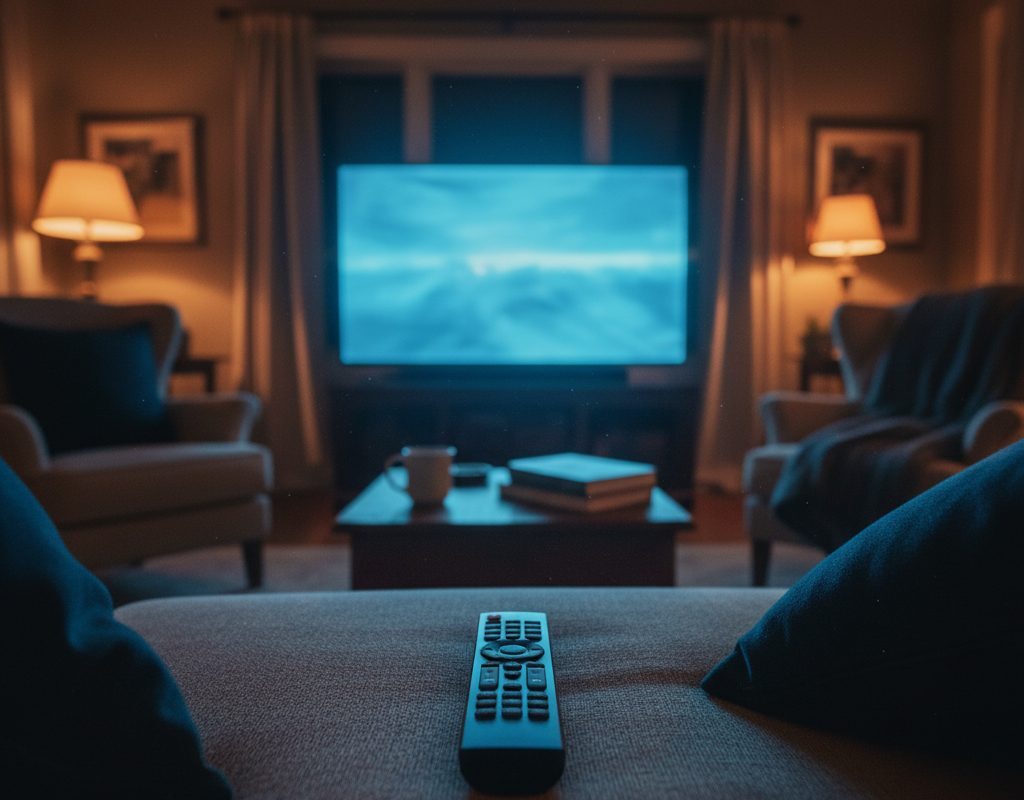
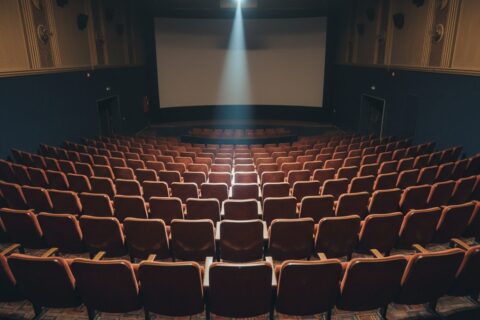
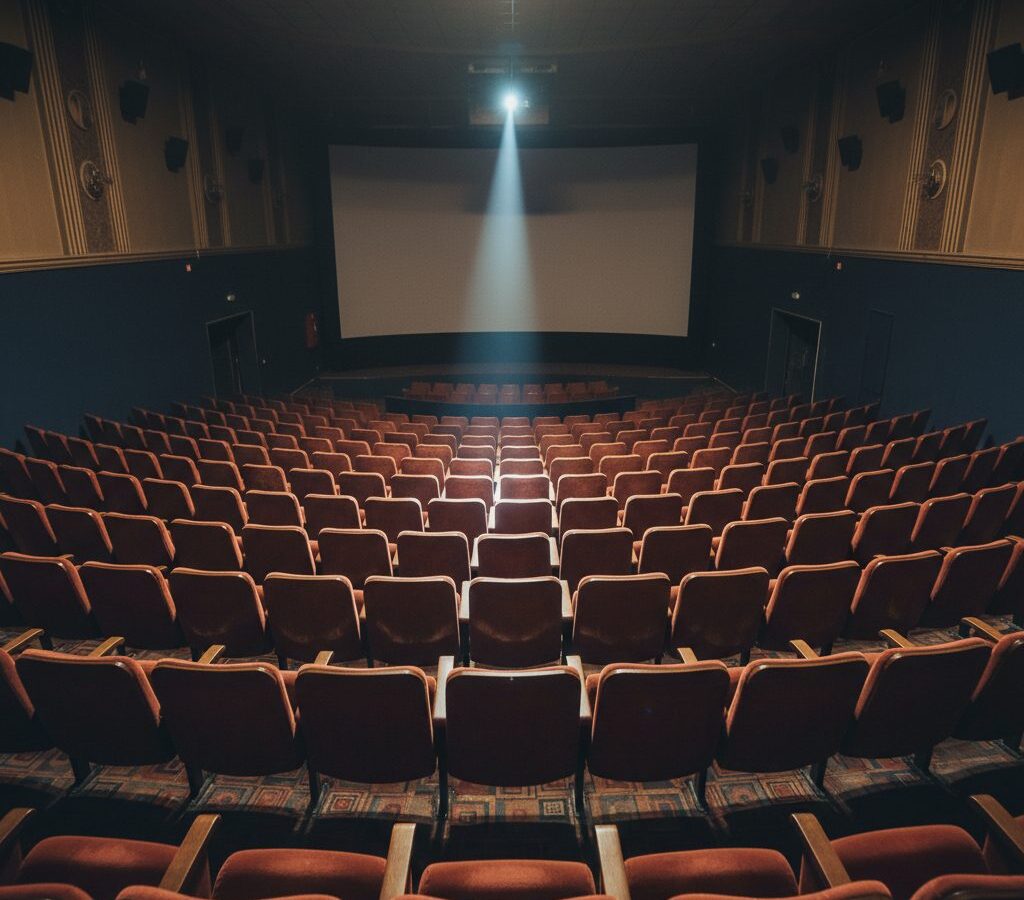
The honest answer is that it depends on the film. Some movies are built for the particular attention that a cinema enforces — the dark room, the large image, the absence of a pause button, the presence of other people reacting alongside you. The experience of watching a film that uses scale, sound design, or the full width of the frame is materially different in a theater than at home. Some filmmakers make work with that environment explicitly in mind; watching those films elsewhere is not the same experience, however good the home setup.
But it’s also true that plenty of films — including excellent ones — are perfectly suited to attentive home viewing. The idea that theatrical is always the superior mode is not a critical position; it’s a preference masquerading as one. What matters is matching the film to the viewing condition it rewards, and that requires knowing something about the film before you watch it — which is, again, an argument for criticism.
There is also something worth naming about what theatrical distribution signals, even now. A film that receives a genuine theatrical run has typically been through a selection process — festival programming, acquisitions decisions, distribution commitments — that streaming-first releases often skip. That doesn’t mean theatrical releases are automatically better, but it does mean the filter is different. Knowing how a film reached you is part of understanding what you’re watching.
How to Choose Well
If you are trying to watch more deliberately — to make choices rather than just accepting whatever a platform surfaces — a few habits tend to help.
- Follow the conversation backward. When a director’s new film is discussed, find their older work. A filmmaker’s body of work is often more useful context than any single review.
- Read criticism before and after. A review before you watch shapes expectations; reading criticism after helps you articulate what you actually felt and why. Both are valuable; they do different things.
- Be skeptical of aggregate scores. Averaging the opinions of many reviewers into a single percentage figure smooths out exactly the kind of specific judgment that makes criticism useful. A film that divides critics often rewards watching more than one with a placid consensus.
- Accept that recommendation algorithms aren’t critics. They are engagement-maximization systems. They know what you’ve watched; they don’t know what would genuinely stretch or reward you.
- Give yourself permission to stop. Forty minutes into a film that isn’t working is not a failure of attention. It’s information. The time you’d have spent watching out of obligation is time you could spend on something that earns it.
Why It Matters to Choose at All
There’s a version of the abundance problem that resolves into passivity — too many options, so you let the algorithm choose, so you watch what’s in front of you, so you form no particular attachment to what you’ve seen and retain little sense of what you value. That passivity is, among other things, bad for film culture. The films that endure — the ones that find second lives and shape future work — tend to be the ones that found audiences who cared about them deliberately, not accidentally.
Caring deliberately about what you watch isn’t a high-cultural pose. It’s just the difference between consuming and actually experiencing something. Film at its best is not background. It asks for your attention and, when it earns it, gives you something in return that passive consumption never provides — a way of seeing something you hadn’t seen before, a question you carry out of the theater or away from the screen that wasn’t there when you sat down.
That’s the argument for being a thoughtful viewer in a crowded year. Not to watch more, but to watch better — and to know the difference.
We cover new releases, streaming picks, and theatrical recommendations in the movies section, and broader media questions in opinion.